
In modern electronics, many critical components work quietly in the background without drawing much attention. One of these unsung heroes is Ferrite. From power supplies to smartphones and industrial equipment, ferrite materials are used almost everywhere. But what exactly is ferrite, and why has it become so essential in electronic technology?
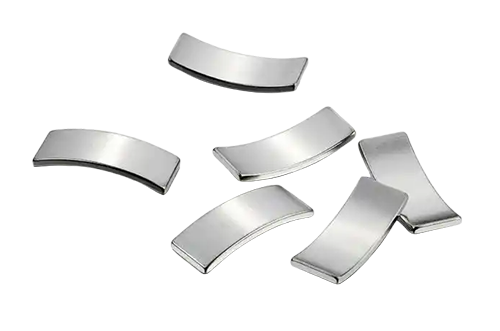
Understanding What Ferrite Is
Ferrite is a type of ceramic material made primarily from iron oxide combined with other metallic elements such as manganese, zinc, or nickel. Unlike pure metals, ferrite is electrically insulating while still being magnetically active. This unique combination of properties makes ferrite extremely valuable in electronic applications.
Because ferrite does not conduct electricity easily, it significantly reduces energy losses caused by eddy currents. At the same time, it can efficiently guide and control magnetic fields. This balance is the key reason ferrite is widely used in electronic components that operate at high frequencies.
Why Ferrite Is So Common in Electronics
The widespread use of ferrite in electronics is not accidental. Modern devices demand materials that are efficient, stable, and cost-effective. Ferrite checks all these boxes.
First, ferrite performs exceptionally well at high frequencies. As electronic devices become smaller and faster, they operate at higher switching speeds. Traditional metal magnetic materials struggle in these conditions, but ferrite maintains its magnetic performance without excessive heat generation.
Second, ferrite helps suppress electromagnetic interference (EMI). If you have ever noticed small cylindrical blocks on cables or inside electronic devices, those are ferrite cores. They absorb high-frequency noise and prevent unwanted signals from disrupting normal operation.
Finally, ferrite materials are relatively inexpensive and easy to manufacture. This makes them ideal for mass-produced consumer electronics as well as large-scale industrial systems.
Common Applications of Ferrite
Ferrite is used in a wide range of electronic components, often in ways that consumers never notice.
In power electronics, ferrite cores are essential in transformers and inductors. They improve energy efficiency and help regulate voltage in power adapters, chargers, and switching power supplies.
In communication devices, ferrite plays a critical role in antennas, filters, and signal-processing components. It ensures stable signal transmission while minimizing interference.
Ferrite is also widely used in noise suppression components, such as ferrite beads and clamps. These small parts may seem insignificant, but they are vital for meeting electromagnetic compatibility standards and ensuring reliable device performance.
Advantages That Make Ferrite Indispensable
One of the biggest advantages of ferrite is its low energy loss at high frequencies. This makes electronic systems more efficient and extends the lifespan of components. Ferrite is also highly resistant to corrosion and temperature changes, which adds to its long-term stability.
Another important benefit is design flexibility. Ferrite can be shaped into various forms, allowing engineers to customize components for specific applications. This adaptability helps explain why ferrite continues to be relevant even as electronic technologies evolve.

Why Ferrite Will Remain Important in the Future
As electronics continue to advance toward higher efficiency, smaller sizes, and faster operation, the demand for reliable magnetic materials will only increase. Ferrite is well-positioned to remain a core material in this progress. Its proven performance, affordability, and versatility make it difficult to replace.
In short, ferrite may not be the most visible material in electronics, but it is one of the most important. By enabling efficient power conversion, reducing interference, and supporting high-frequency operation, ferrite quietly keeps modern electronic devices running smoothly.
Topping
Contact

We will contact you within 24 hours. ( WhatsApp/facebook:+86 15957855637)