
Magnets are one of the most essential components of modern technology. They power everything from tiny cell phones and massive wind turbines to everyday refrigerator doors. While we often take their invisible force for granted, the secret to a high-performance magnet lies in the unique type of metal used to create it.
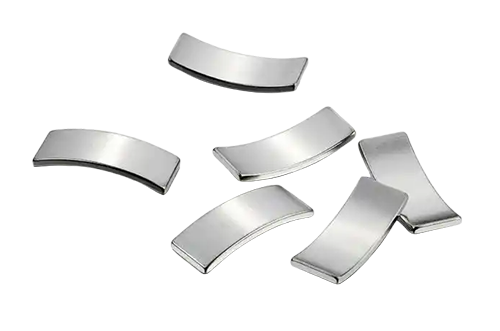
The property that allows a material to become a strong, permanent magnet is called ferromagnetism. Contrary to what you might expect, this property is incredibly rare among the elements of the Periodic Table. Only a select few metals possess the atomic structure needed to produce a powerful, lasting magnetic field.
The Big Three: Elements of Ferromagnetism
A material must contain one of three elemental metals to be inherently ferromagnetic at room temperature. These three elements form the foundation of almost all modern magnets:
1. Iron (Fe): The most common and namesake of ferromagnetism ("ferrum" is Latin for iron). Iron is the workhorse of magnetic applications, forming the base of most steel alloys used in motors, transformers, and simple bar magnets.
2. Nickel (Ni): Often used in alloys and plating, nickel provides magnetic properties and excellent corrosion resistance.
3. Cobalt (Co): Known for its high magnetic strength and ability to maintain magnetism at elevated temperatures, cobalt is a critical component in high-performance magnets.
The magnetism in these metals comes down to their internal atomic structure, where the electron spins spontaneously align into microscopic regions called magnetic domains. When a magnetizing force is applied, these domains snap into alignment, creating a cohesive, external magnetic field.
The Alloys That Build the Best Magnets
While the elemental metals are critical, the most powerful and specialized magnets are actually created from complex metal alloys—mixtures designed to enhance specific magnetic characteristics. These alloys are categorized into two main groups based on their magnetic strength and composition:
1. Traditional and Industrial Alloys
These materials are known as "hard" magnets because once they are magnetized, they are difficult to demagnetize (they have high coercivity).
Steel (Iron-Carbon Alloy): Steel is the most common and cost-effective magnet material. It is a classic example of an alloy that can be permanently magnetized, making it ideal for everything from compass needles to basic teaching magnets.
Alnico: An alloy of Aluminum, Nickel, and Cobalt (plus iron), Alnico magnets are renowned for their stability across a wide temperature range, making them perfect for industrial sensors and electric motor rotors.
Ferrite (Ceramic) Magnets: Though technically a ceramic (an iron oxide compound), these are one of the most widely used types of hard magnet. They are inexpensive, corrosion-resistant, and commonly found in speakers and refrigerator magnets.
2. The Rare-Earth Powerhouses
These are the strongest permanent magnets commercially available, allowing for unprecedented miniaturization of technology. They utilize elements from the Lanthanide series of the Periodic Table, which, despite their name, are not all that rare.
Neodymium Iron Boron (NdFeB): Simply known as Neodymium magnets, these are the kings of magnetic strength. They are essential in high-tech applications like hard disk drives, high-end loudspeakers, and all-electric vehicle motors. They are incredibly powerful for their small size.
Samarium Cobalt (SmCo): These magnets are less powerful than Neodymium, but they maintain their magnetic properties at much higher operating temperatures, making them vital for aerospace, military, and specialized industrial equipment.
Why Not All Metals Are Magnetic
It’s important to remember that most metals are not magnetic. Metals like copper, aluminum, brass, and gold are either paramagnetic or diamagnetic.
Paramagnetic metals (like aluminum) are very slightly attracted to a magnet, but this attraction disappears the moment the external field is removed.
Diamagnetic metals (like copper) are slightly repelled by a magnet.
In these materials, the electron spins do not align effectively, preventing the formation of the powerful, collective magnetic domains needed to create a lasting magnet. Only the special atomic structure found in iron, nickel, cobalt, and their rare-earth cousins allows them to capture and sustain the invisible force we call magnetism.
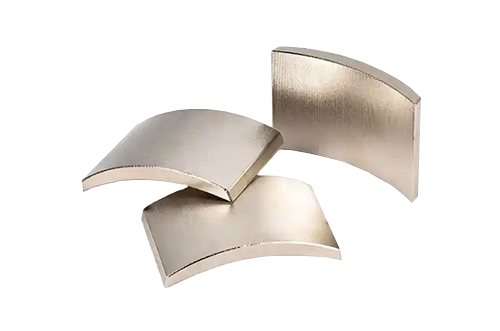
If you're looking for the right magnet for a specific project, understanding the difference between these core magnet metal alloys is the first crucial step!
Topping
Contact

We will contact you within 24 hours. ( WhatsApp/facebook:+86 15957855637)