
Magnet steel is an essential, often unseen, material that powers countless devices and industries. Far more than just a piece of metal, magnet steel refers to various alloys that can be permanently magnetized, making them the backbone of modern electrical and mechanical engineering. These materials are crucial for converting electrical energy into mechanical energy, and vice versa, as well as for storing magnetic flux for specific applications.
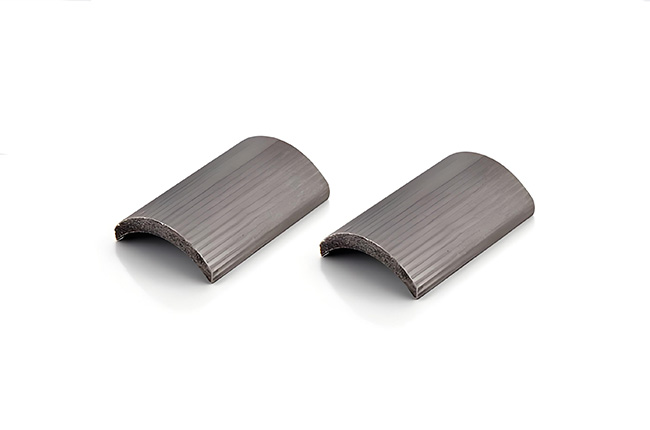
What Exactly is Magnet Steel?
At its core, magnet steel is a high-performance alloy designed to possess high coercivity (resistance to demagnetization) and high remanence (the ability to retain magnetization after the external magnetic field is removed).
Historically, the term applied to hardened carbon steel, but today, it predominantly refers to sophisticated permanent magnet materials. The most common modern types you hear about include:
Neodymium Iron Boron (NdFeB): Known as "super magnets," these are the strongest permanent magnets available.
Samarium Cobalt (SmCo): Excellent for high-temperature and corrosive environments.
Alnico (Aluminum, Nickel, Cobalt, and Iron): Offers good temperature stability and is easily cast into complex shapes.
Ferrite (Ceramic) Magnets: Less powerful but very affordable and resistant to demagnetization.
Key Applications of Magnet Steel
The unique magnetic properties of magnet steel make it indispensable across a vast spectrum of technology. Here are the primary areas where this material is put to work:
1. Electric Motors and Generators
This is arguably the most significant application. Electric motors, whether powering an electric vehicle, a robot, or a household fan, rely on the fixed magnetic field created by magnet steel to interact with an electromagnetic field, causing rotational motion.
Electric Vehicles (EVs): High-performance NdFeB magnets are critical in the traction motors of EVs, where efficiency and power-to-weight ratio are paramount.
Industrial Machinery: Motors for pumps, conveyors, and automated systems all use permanent magnets.
Wind Turbines: In direct-drive wind generators, large arrays of powerful magnet steel convert wind energy into electricity without the need for a gearbox.
2. Consumer Electronics and IT
Everyday devices are packed with components made from magnet steel to facilitate sound, movement, and data storage.
Speakers and Headphones: The sound you hear is produced by a voice coil interacting with a fixed permanent magnet (often ferrite or neodymium) to vibrate a cone or diaphragm.
Computer Hard Drives (HDDs): Tiny, powerful magnets are used in the actuator arm motor to precisely position the read/write head over the platter at incredible speeds.
Sensors: Mobile phones and other devices use magnet-based Hall effect sensors to detect position, speed, and direction (e.g., in digital compasses).
3. Medical Technology
In the medical field, magnet steel enables crucial diagnostic and therapeutic tools.
Magnetic Resonance Imaging (MRI): Superconducting magnets and powerful permanent magnets (which contain magnet steel) create the immense, uniform magnetic field necessary to generate detailed images of the human body.
Drug Delivery: Researchers are developing magnetic nanoparticles guided by external magnets to target drug delivery to specific sites in the body.
4. Separation and Lifting
Permanent magnets are vital in industrial processes for moving, separating, and purifying materials.
Magnetic Separators: Used in recycling facilities to separate ferrous metals from other waste, and in mining to purify ores.
Lifting Magnets: Powerful electromagnets (often reinforced with permanent magnet steel cores) are used in scrapyards and factories to lift and move heavy iron and steel objects.
5. Fastening and Clamping
Less glamorous but equally important, simple fastening applications are a huge user of magnet steel.
Door Latches and Cabinets: Simple ferrite or Alnico magnets keep doors and cabinet drawers securely closed.
Tools: Tool holders, magnetic screwdrivers, and workholding clamps use permanent magnets to secure metal objects during assembly or machining.
The Future is Magnetic
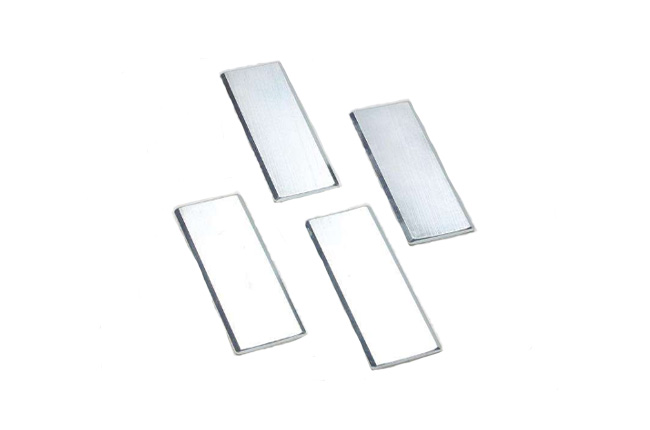
As the world continues to prioritize high-efficiency electrical systems, especially in the transition to renewable energy and electric mobility, the demand for advanced magnet steel alloys—particularly those based on rare-earth elements like Neodymium—will only increase. Innovation in this field is focused on developing materials that are even more powerful, more stable at higher temperatures, and less reliant on geopolitically sensitive raw materials.
Topping
Contact

We will contact you within 24 hours. ( WhatsApp/facebook:+86 15957855637)