
Rubber magnets are a versatile and practical magnetic material that has quietly become part of our everyday lives. From home organization to industrial applications, their flexibility, durability, and cost-effectiveness make them an essential solution in many scenarios. This article explores what rubber magnets are, how they are made, and how rubber magnets are commonly used in daily life.
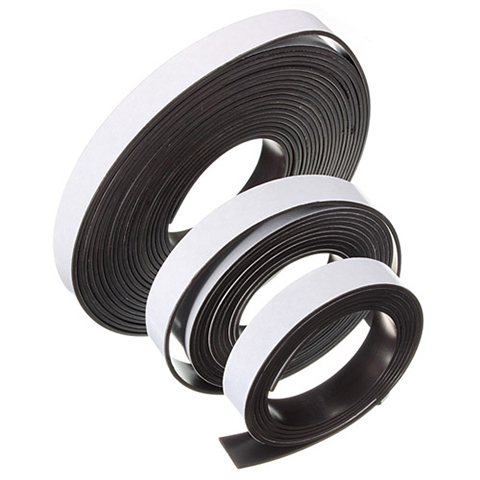
What Are Rubber Magnets?
Rubber magnets, also known as flexible magnets, are composite magnetic materials made by mixing ferrite magnetic powder with rubber or plastic binders such as PVC or nitrile rubber. Unlike traditional rigid magnets, Rubber Magnets can be bent, twisted, and cut into various shapes without breaking, which greatly expands their range of applications.
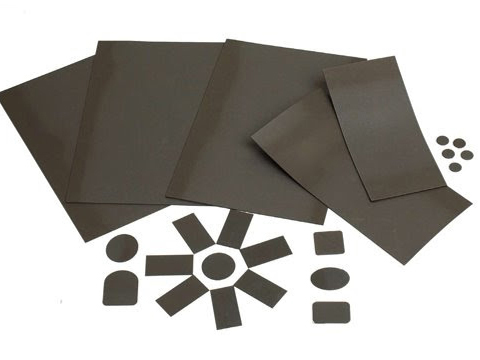
These magnets usually come in sheets, strips, or rolls and can be easily laminated with adhesive backing, vinyl, or printed surfaces. Although their magnetic strength is lower than that of rare earth magnets, their flexibility and ease of use make them ideal for lightweight applications.
Key Characteristics of Rubber Magnets
Rubber magnets offer several unique properties that set them apart from other magnetic materials:
Flexibility: They can conform to curved or irregular surfaces.
Durability: Resistant to cracking, chipping, and corrosion.
Lightweight: Easy to handle and install.
Customizable: Can be cut, printed, or combined with adhesives.
Cost-effective: Suitable for mass production and everyday use.
These characteristics explain why rubber magnets are widely used in both consumer products and commercial environments.
How Are Rubber Magnets Used in Daily Life?
1. Home and Office Applications
One of the most common uses of rubber magnets is in household and office products. Refrigerator magnets, whiteboard accessories, and magnetic organizers often rely on Rubber Magnets for safe and reusable attachment. Their soft surface prevents scratches on appliances and furniture.
2. Advertising and Promotional Products
Rubber magnets are widely used in promotional items such as magnetic business cards, fridge ads, calendars, and signs. Their ability to hold lightweight materials while remaining removable makes them ideal for brand visibility in everyday settings.
3. Automotive Industry
In vehicles, rubber magnets are used for temporary signs, interior components, and sealing systems. Their resistance to vibration and environmental factors allows them to perform reliably in automotive conditions.
4. Education and DIY Projects
Classrooms frequently use rubber magnets for teaching aids, charts, and interactive learning tools. They are also popular in DIY crafts, where flexibility and safety are essential.
5. Industrial and Commercial Uses
In industrial settings, rubber magnets are used for labeling systems, light-duty holding applications, and protective magnetic covers. Their ease of installation and removal improves efficiency without damaging surfaces.
Advantages of Choosing Rubber Magnets
The growing popularity of Rubber Magnets is driven by their balance of performance and practicality. They are easy to manufacture, environmentally stable, and adaptable to a wide range of designs. For applications that do not require extreme magnetic force, rubber magnets offer a reliable and economical solution.
Conclusion
Rubber magnets may not always be visible, but they play an important role in modern daily life. Their flexibility, safety, and versatility make them indispensable across homes, offices, schools, and industries. As design and manufacturing technologies continue to evolve, Rubber Magnets are expected to remain a key material for innovative and practical magnetic solutions.
Topping
Contact

We will contact you within 24 hours. ( WhatsApp/facebook:+86 15957855637)