
When dealing with magnets and the materials they interact with, one common question arises: Does the thickness of a piece of steel impact its magnetic attraction? The answer is nuanced, depending on whether the steel itself is the magnet, or if it's the target being attracted to a separate magnet.
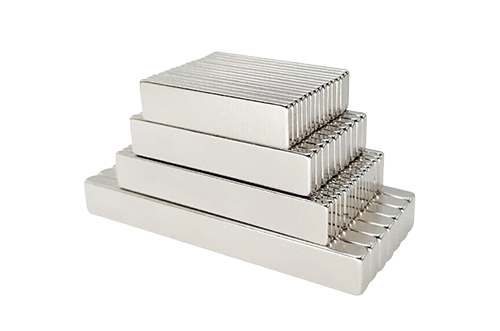
In short, thicker steel does not endlessly increase magnetism, but there is a critical minimum thickness required to maximize the magnetic field's effect.
Steel as the Target: The Saturation Point
For most common applications—like a refrigerator magnet sticking to a door—the steel's thickness matters only up to a point known as the magnetic saturation point.
The Critical Threshold
Steel is a ferromagnetic material, meaning it is excellent at conducting magnetic flux (field lines). When you place a magnet on a steel surface, the steel acts as a conduit, drawing the magnetic field lines through it to complete the magnetic circuit.
Thin Steel: If the steel is too thin, it cannot contain or "absorb" all the magnetic flux coming from the magnet. It becomes magnetically saturated. The excess field lines spill out the back side of the steel. This results in significantly reduced pull force compared to the magnet's maximum capability.
Sufficiently Thick Steel: Once the steel reaches a certain "critical thickness" (which is dependent on the size and strength of the magnet), it can absorb and contain all the magnetic flux. At this point, the magnet is achieving its maximum possible pull force on that surface.
Overly Thick Steel: Making the steel any thicker than this critical point will not increase the pull force. The steel is already fully channeling the field, and adding more bulk offers no magnetic benefit, only increased weight and cost.
Example: A powerful Neodymium disc magnet might require a steel plate of at least 5-10 mm thick to achieve its maximum pull force. Applying that same magnet to a thin steel sheet (like 1 mm refrigerator steel) might result in a 90% loss of holding power.
Steel as the Magnet: The Volume Factor
When considering magnet steel—the high-performance alloys engineered to be permanent magnets (like NdFeB, Alnico)—thickness is a component of its overall volume, and volume directly correlates with magnetic strength.
Magnetic Moment and Volume
A permanent magnet's strength is measured by its magnetic moment, which is proportional to the magnetization (M) times its volume (V).
m = M • V
In this context, increasing the thickness (a dimension of volume) of the magnet steel will, up to a point, increase the total magnetic energy the material can store and, consequently, its ability to generate a powerful external field.
Longer Magnets: Making a magnet longer (thicker, in a specific dimension) helps it resist demagnetization. This length-to-diameter ratio is crucial for ensuring the magnetic domains remain aligned after the magnetizing process.
Larger Volume: In motor design and complex assemblies, the total volume of the magnet steel determines the overall energy product (BHmax) and the strength of the flux density (B field) available to do work.
Therefore, for a permanent magnet itself, increasing the thickness (or volume) generally leads to a stronger, more stable magnet, provided the geometry is optimized.
Summary: It's About Optimization, Not Just Size
The magnetic properties of steel, whether used as the attraction target or as specialized magnet steel, are governed by the principles of the magnetic circuit.
Target Steel: Thickness matters up to the saturation point; beyond that, it's irrelevant to pull force.
Magnet Steel: Thickness (as part of volume) contributes to the overall strength and stability of the permanent magnetic field.
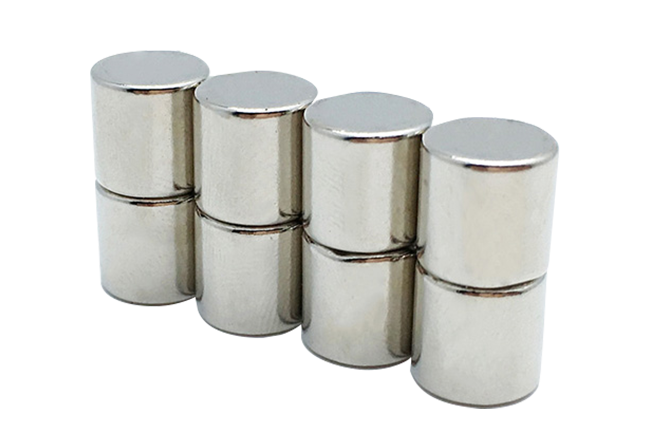
In engineering applications, the goal is always to use the minimum required thickness and volume of the material—both the magnet and the steel it's attracting—to achieve the desired performance, making the design efficient and cost-effective.
Topping
Contact

We will contact you within 24 hours. ( WhatsApp/facebook:+86 15957855637)