
When people ask about the strongest magnets on the market, neodymium magnets almost always come up first—and for good reason. If you’re researching high-performance magnets, this article will give you a clear, practical overview of why neodymium magnets stand out, how they work, and where they are most commonly used.
So, are neodymium magnets the strongest?
Yes—neodymium magnets are currently the strongest permanent magnets available for commercial use. They can generate an extremely high magnetic force relative to their size and are capable of holding many times their own weight.
Compared with other permanent magnets, neodymium magnets offer three major advantages:
•Exceptional magnetic strength
•Compact size and low weight
•Cost efficiency in mass production
For applications that require high performance without increasing size or material usage, neodymium magnets are often the optimal choice.
Understanding Neodymium Magnets
Neodymium magnets are made from an alloy of neodymium, iron, and boron (NdFeB). This composition enables them to produce a very strong magnetic field, which is why careful handling is required during use and installation.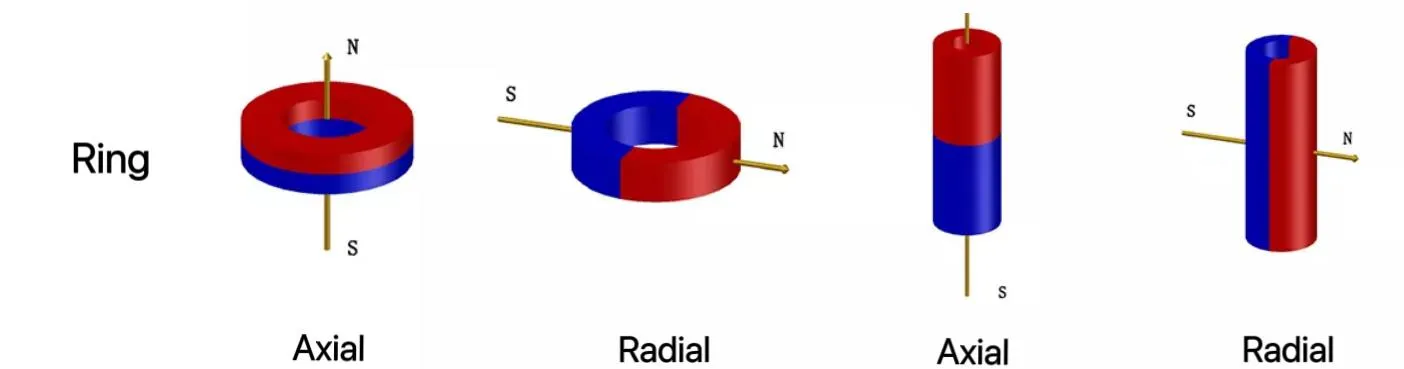 From a lifespan perspective, neodymium magnets are highly stable. Under normal conditions, they lose only a very small percentage of their magnetic strength over many decades. However, several factors can influence performance:
•High temperatures: Standard grades typically tolerate up to 80°C, while special high-temperature grades can handle more.
•Strong mechanical impact: Neodymium magnets are brittle and can chip or crack if they collide forcefully.
•Exposure to opposing magnetic fields: Extremely strong external fields may reduce magnetization.
Cold temperatures, on the other hand, do not negatively affect neodymium magnets.
Common Applications of Neodymium Magnets
Given their strength, efficiency, and compact size, neodymium magnets are widely used across both consumer and industrial sectors. In many modern products, they have replaced traditional ferrite and alnico magnets entirely.
Typical applications include:
•Electric motors and generators
•Loudspeakers, headphones, and microphones
•Computer hard drives
•Magnetic couplings and bearings
•Sensors and voice coil systems
•Locking mechanisms and switches
•Medical and laboratory equipment
Their high magnetic energy density allows manufacturers to design smaller, lighter, and more energy-efficient products—an important advantage in modern engineering.
Why Neodymium Magnets Are Ideal for Everyday Use
Even in simple household applications, neodymium magnets offer clear benefits. For example, when used as refrigerator magnets, they:
•Provide strong holding power with minimal size
•Prevent items from slipping or falling during daily use
•Maintain grip even with airflow or vibration
•Allow for cleaner, more minimalistic designs
•Reduce the risk of accidental displacement by children or pets
That said, safety should always be considered. Due to their strength, neodymium magnets are not toys and should be kept out of reach of young children.
Neodymium vs. Ferrite Magnets
Ferrite (ceramic) magnets are another widely used magnet type and are often considered the “entry-level” alternative to neodymium magnets.
Key differences include:
•Magnetic strength: Ferrite magnets are approximately 8–10 times weaker than neodymium magnets.
•Durability: Ferrite magnets are more impact-resistant and less prone to cracking.
•Safety: Due to their lower strength and larger size, ferrite magnets pose fewer risks if mishandled.
•Cost: Ferrite magnets are generally cheaper, especially for low-performance requirements.
Ferrite magnets also maintain their magnetic strength extremely well over time, though they can still be affected by extreme heat, mechanical shock, or strong external magnetic fields.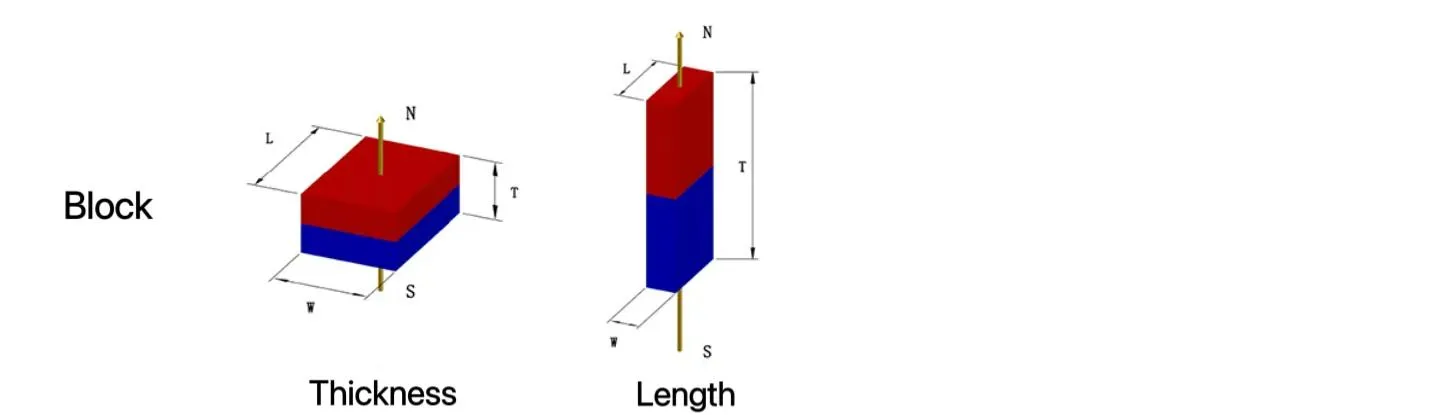 Which Magnet Should You Choose?
The choice between neodymium and ferrite magnets depends entirely on your application priorities:
•Choose neodymium magnets if performance, compact design, and high magnetic force are critical.
•Choose ferrite magnets if durability, cost control, and safety are more important than strength.
For industrial, engineering, and high-precision uses, neodymium magnets are often the preferred solution.
Final Thoughts
Neodymium magnets represent the highest level of performance among permanent magnets currently available. Their strength, efficiency, and versatility make them indispensable in modern technology and manufacturing.
Selecting the right magnet is not just about strength—it’s about aligning material performance with real-world requirements. With the right guidance, neodymium magnets can deliver long-term value across a wide range of applications.
If you need further technical support or assistance selecting the right magnet type for your project, working with an experienced supplier can significantly reduce risk and improve outcomes.
You can contact us by phone at +86 1816 8866 468 or by mail at zhangruyin56@gmail.com.
We have many years of experience with magnets, so we feel confident that we can guide you in purchasing the right magnets for your project.
Topping
Contact

We will contact you within 24 hours. ( WhatsApp/facebook:+86 15957855637)